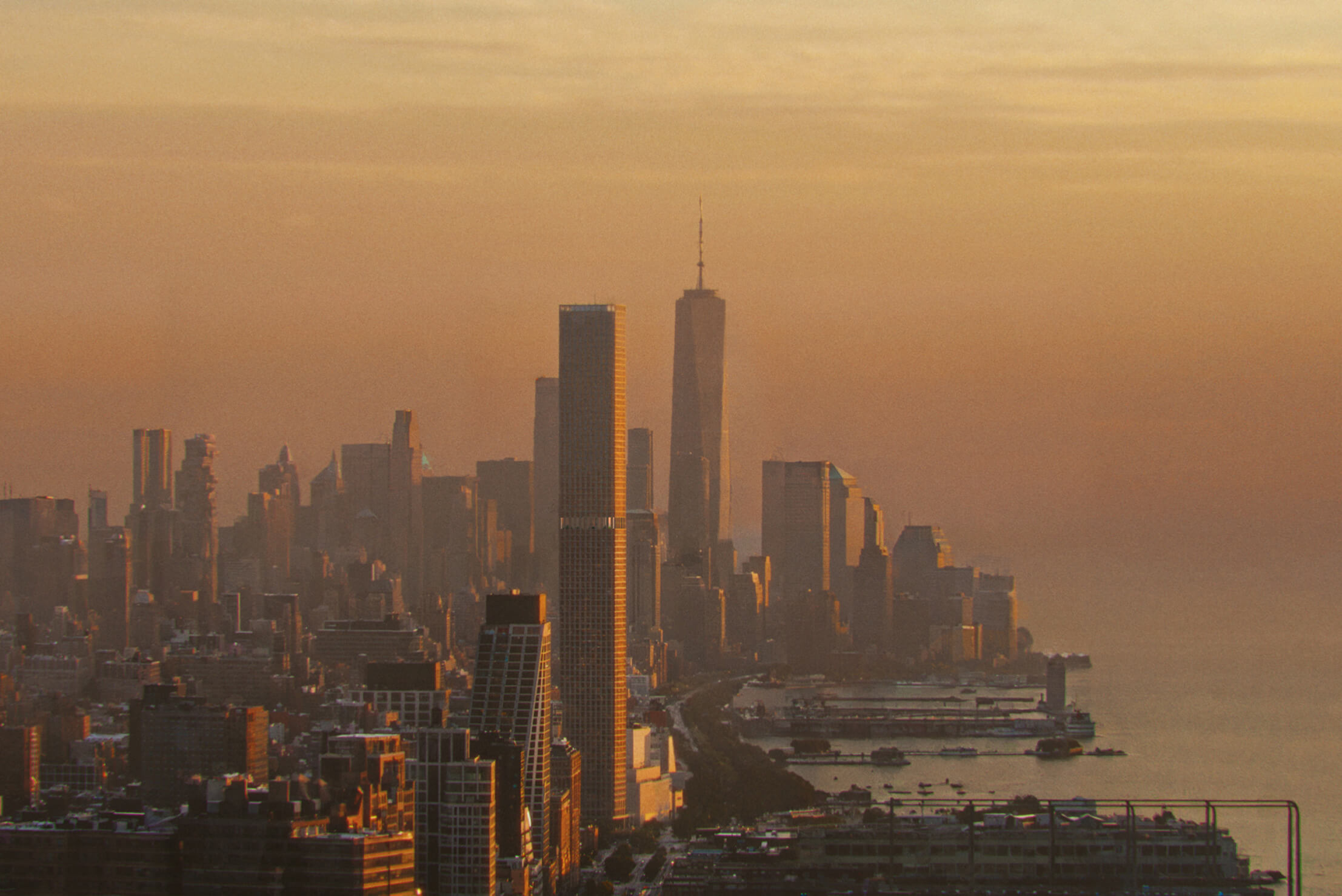
5050 Gansevoort
Supertall for All
50/50 is the premise of 5050 Gansevoort. Instead of the requested 600 housing units of which a minimum of 300 affordable, we asked ourselves: how to realize an abundance of affordable housing in this highly desirable neighborhood? One thousand rental homes in a supertall – half affordable, half market rate – mixed equally throughout the full height of the tower. The ratio is the project’s backbone. It turns a familiar New York typology into a different kind of instrument: a tall building that makes room, deliberately, for an equitable city.
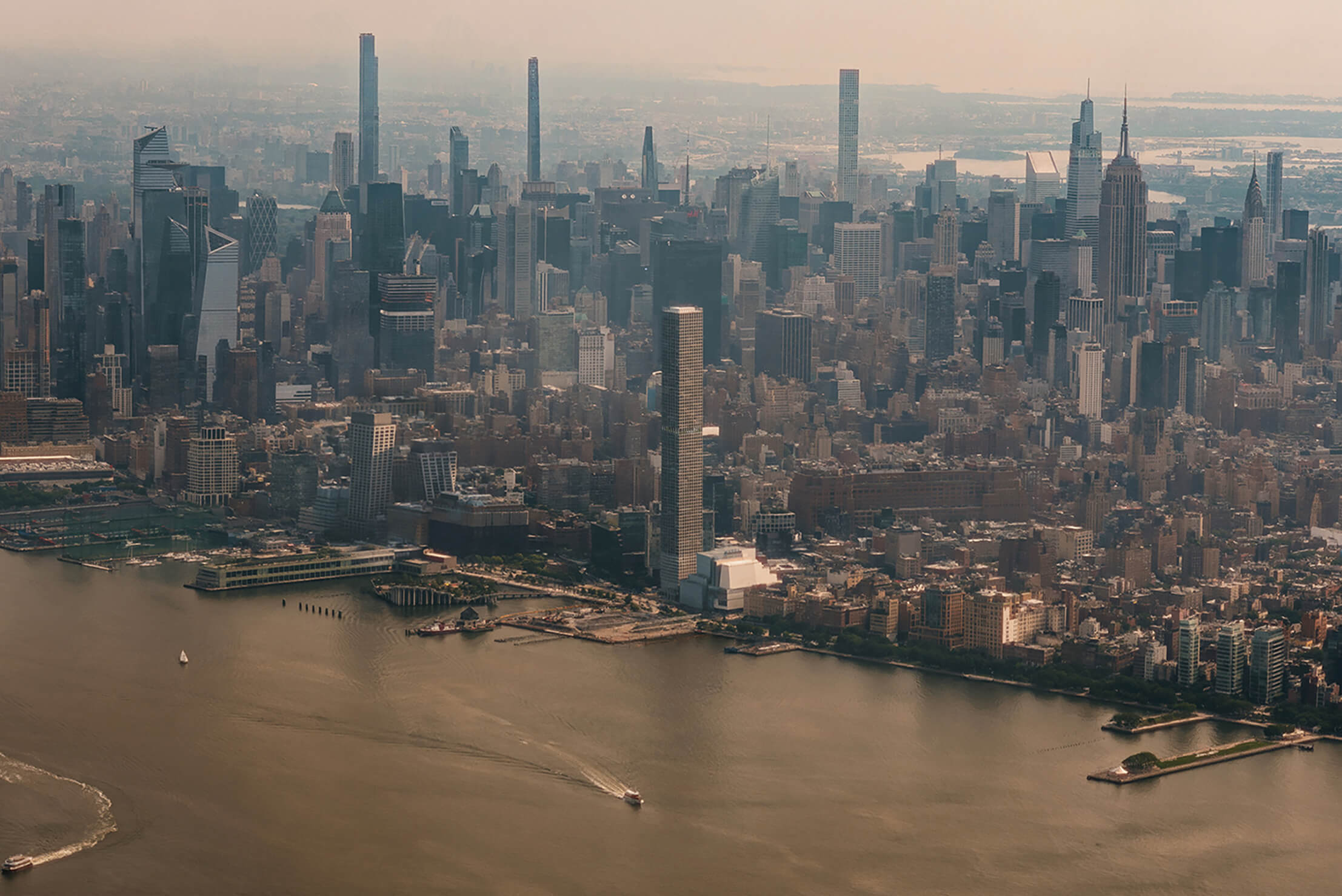
Between High Line and Whitney


Affordability Necessity
Affordability Necessity
15 years of unprecedented boom in the residential real estate market has left its undeniable mark on the New York City skyline. The residential high-rise in New York has now become synonymous with luxury and ultra-luxury apartments reaching for the skies and the soaring views over New York with the ‘supertalls’ as its pinnacle. These feats of engineering and design, unprecedented in terms of amenities, services and pricing, have produced relatively few dwellings to combat the rapidly growing shortage of housing. At the same time, they have sparked a lively debate on the necessity for affordable housing.
Manhattan has added plenty of skyline since 2008, but far too little affordable rental housing, especially in this area. Building tall here can stay elegant while widening who gets to live in the city.’
Lasting Impact

Lasting Impact
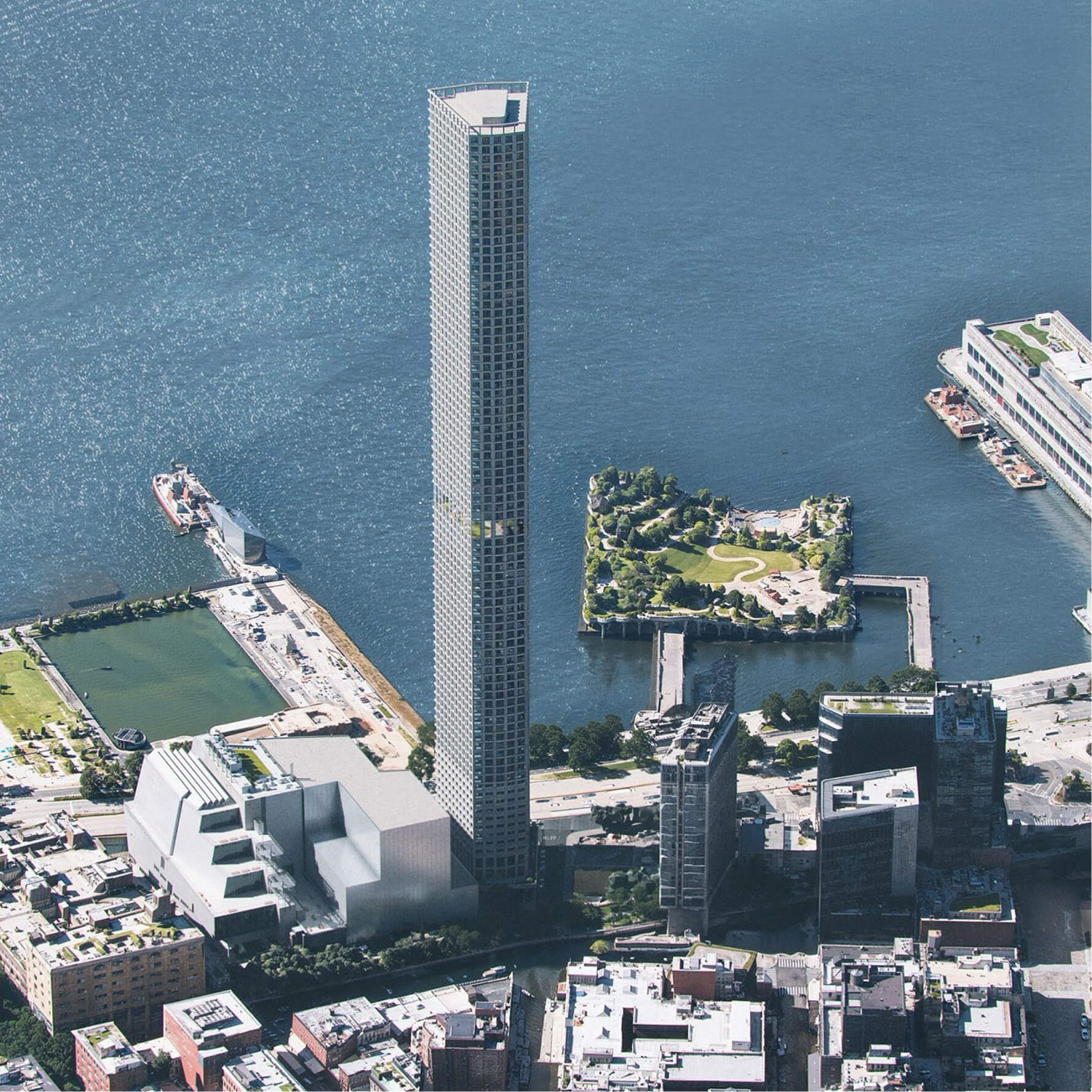
The great strength of New York is its diversity. How to ensure that New York remains equitable and accessible to all walks of life and housing budgets so that it retains its unique and open character? Gansevoort Square is situated next to the wildly successful High Line, the iconic Whitney Museum and in one of the most affluent areas of New York. With only a handful of affordable units built in the direct vicinity in the last decade, the EDC Gansevoort Square project poses a bold question: how to envision an equitable high-rise for ‘all New Yorkers’ with 50% affordable housing unit on one of the rarest sites along the Hudson?
The great strength of New York is its diversity. We want to ensure that the city remains equitable and accessible to all, so that it retains its unique and open character.’

A Clear Plan and Silhouette

A Clear Plan and Silhouette
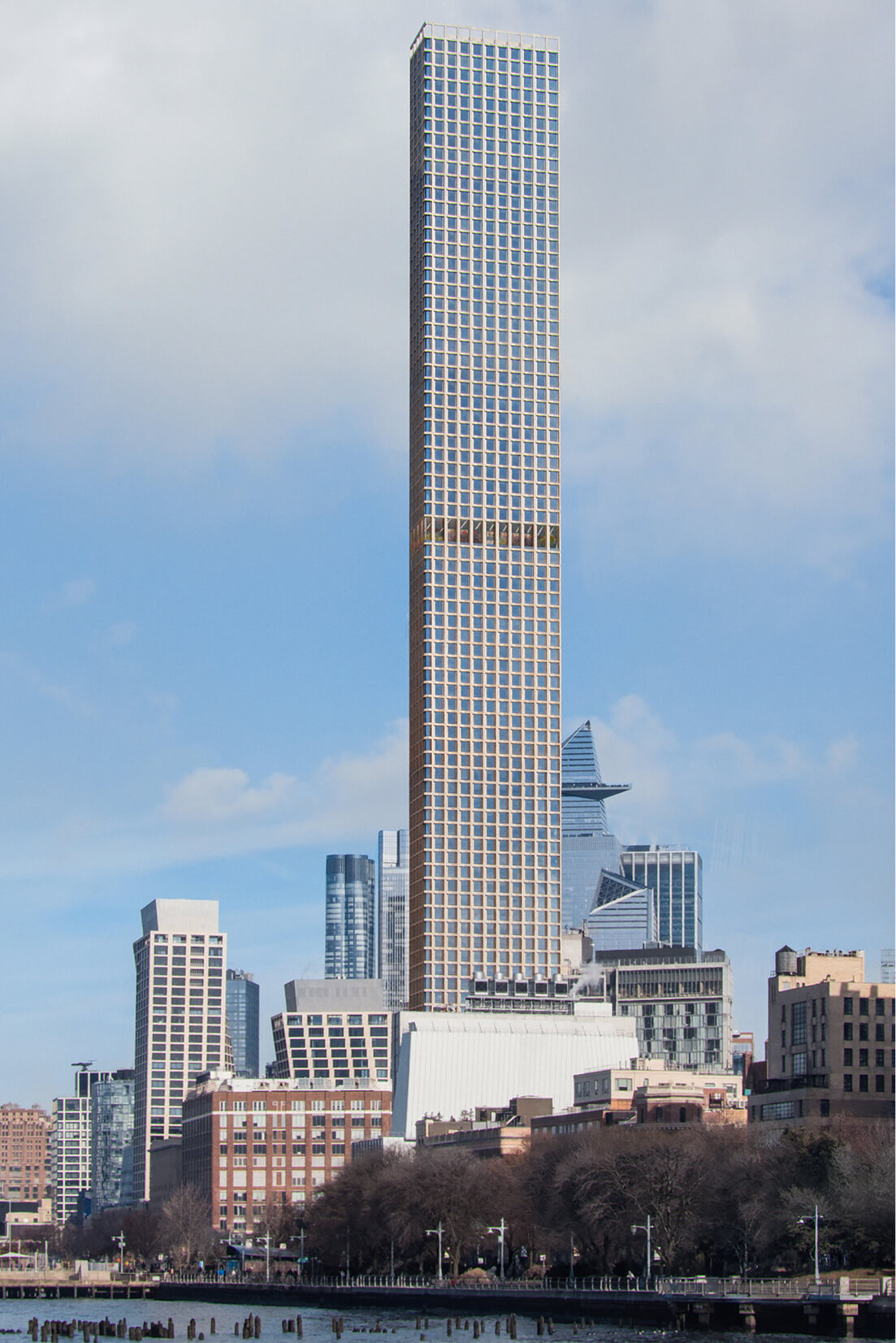
The design takes the 50/50 rule and turns it into a clear architectural system. A single, generous floorplate repeats upward in a slender extrusion, holding twelve homes per level, evenly split between affordable and market rate. That steady rhythm gives the tower calmness and clarity, while subtle shifts in façade depth and proportion add texture as it rises. Midway up, the volume opens to form a two-story Sky Garden on the 53rd floor, a carved terrace in the tower with expansive views, daylight, and shared spaces that bring nature and community into the vertical city. The social ambition sits in the logic of the plan and the lived experience inside, carried by an elegant, restrained supertall. Buildable, iconic, fair, abundant. A place for all walks of life: the well-off and the working class, young and old, from any background… a place for New Yorkers.

Floor plan

The tower is all electric and low carbon – social responsibility has to include environmental responsibility. Long term affordability needs a building that stays efficient, resilient, and light on the city.’